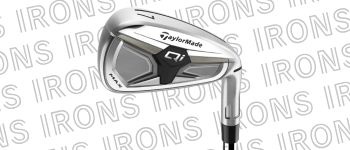



Long ago, only wooden shafts were available. But they all differed in weight and flexibility, which was a problem. Then came steel shafts, which offered much more consistent properties but were heavier and somewhat less flexible than wood. Then came graphite, which combined strength, consistency, and light weight in a single shaft. So, it's clear that there are differences... but what should you do about them? Whether you're a beginner or an advanced golfer, you're certainly not alone if you have no idea what to buy: irons with a steel shaft or irons with a graphite shaft. How do you determine which suits your game better and which feels most comfortable? And why? What are the differences in properties? We're happy to help you with the article below.
Weight and Swing Speed
Perhaps the most common reason for choosing irons with graphite shafts is that they are lighter than irons with a steel shaft. It makes sense. This results in a 2 to 5 percent increase in your swing speed, which in turn increases your club speed and distance. Especially if you don't naturally have a very high swing speed and still want to hit as far as possible, you might as well stop reading this blog. Then graphite shafts are the way to go. If you have a very high swing speed due to a highly explosive swing, for example, from years of hockey experience, graphite shafts are less suitable. Too high a swing speed results in too much flex in the shaft, which compromises control. That's clear, but there are other important factors that can influence your choice...
Feedback, Feel, and Vibration

In the past, beginners played with graphite shafts, while advanced players played with steel shafts. As a beginning golfer, you sometimes don't hit the ball optimally, and that causes much more vibration in your hands when hitting with steel shafts. This vibration is precisely the way many players sense what's going wrong. This feedback is actually highly valued. As a result, more and more PGA Tour players are playing with steel shafts... because of the better feedback. Light shafts cause a reduced sense of control for many less advanced golfers. A heavier club is then perceived as more "firm in the hand" and more stable in the direction. There's a point to that...
Price and Vulnerability
Golf isn't exactly a cheap sport. The higher price can therefore be a reason for a certain group of golfers to choose shafts instead of graphite. The same set of irons regularly costs €100.00 to €150.00 more with graphite shafts than with steel shafts. Moreover, graphite shafts damage more easily, despite the very hard coating that now protects the fibers. Many "occasional golfers" drive around with their golf set in the trunk all summer, and in that case, it can make a difference. A shaft is simply stronger and less likely to be damaged.
Women's and Men's Shafts Differ?
For women, it's pretty straightforward. Because women are physically different from men, the force and speed with which they pull the shaft during their swing is such that a graphite shaft is by far the most suitable. Therefore, all leading brand manufacturers only supply women's irons and women's woods with graphite shafts. Nice and light and nicely flexible.
Conclusion
Determine which characteristics are most important to you and try hitting a few balls with both types of clubs. You'll quickly develop a preference that can be decisive for you. Golf is a matter of feeling and it's about confidence in yourself and the equipment. Good luck with your choice :-).
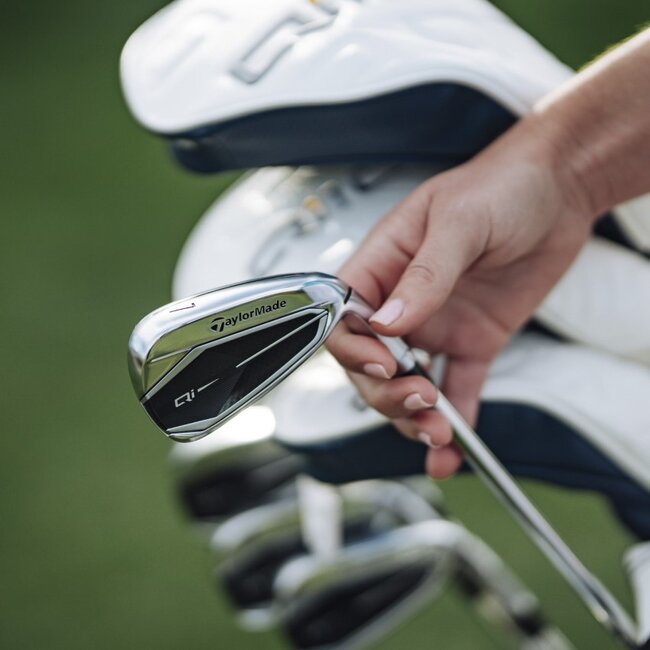
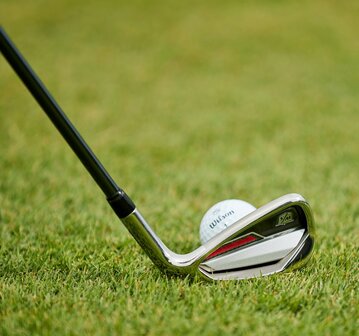

Taylormade irons on GolfDriver.nl Wilson irons on GolfDriver.nl Mizuno irons on GolfDriver.nl